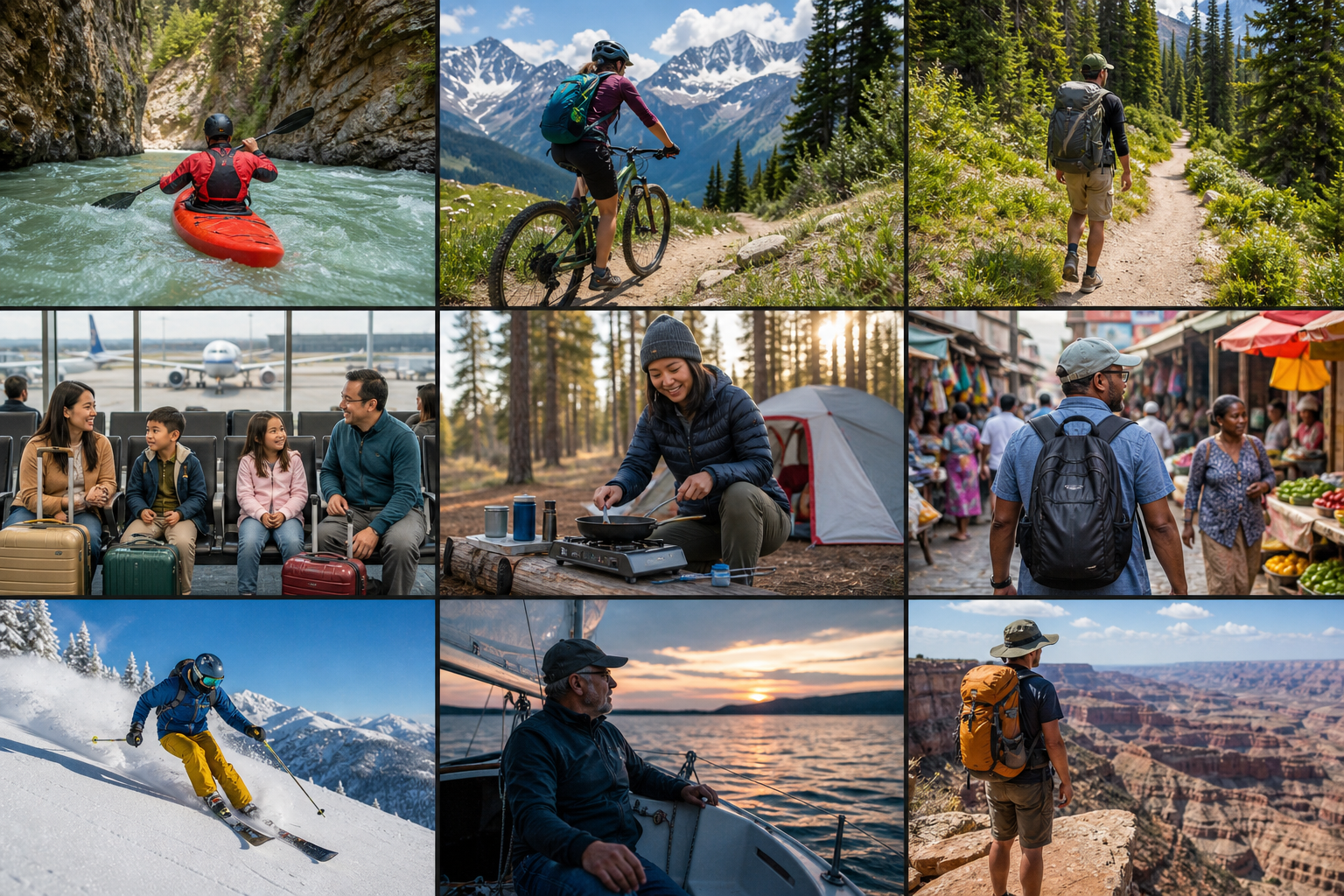


For the outdoor enthusiasts, The biggest ask is this: tell me what to do when I cannot call 911.
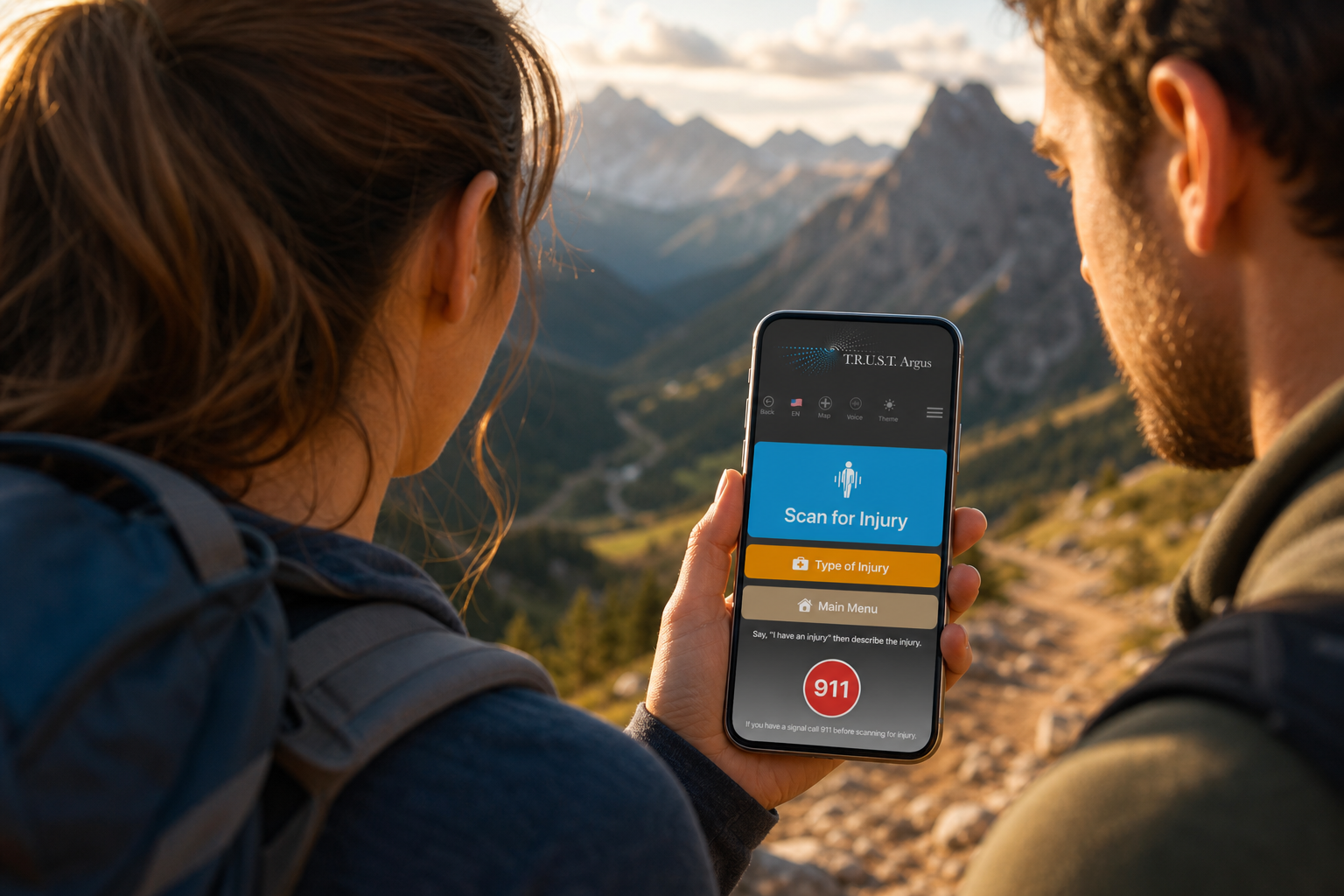
When hikers, backpackers, and other outdoor travelers pack a phone, they are packing the safety tool they actually carry. The biggest ask from this audience is not another “call 911” button — it is clear, offline guidance they can follow after cell service disappears.
Research, app reviews, and the outdoor first-aid market all point to the same gap: people go into no-signal country with a smartphone, are not always confident in wilderness first aid, and generic first-aid apps fail them because every protocol ends with “wait for emergency services.”
What the evidence shows
1. They take a phone into no-signal country
SPOT’s 2024 adventure-travel survey found more than half of people go somewhere with no cell service at least some days a year, and 42% have already had a communication emergency. When traveling solo, 76% would take a phone; only 9% would take a satellite messenger. The phone is the safety tool they actually carry — so it has to work after the bars disappear.
2. Generic first-aid apps fail them
The loudest outdoor complaint about apps like American Red Cross First Aid is that every protocol is basically “don’t panic, call 911.” Reviewers say that is useless on a backcountry hike or in a disaster: help will not arrive soon, and wilderness cases such as snakebite are often skipped. Outdoor users are not asking for a 911 button. They are asking for field steps they can do themselves.
3. Winning outdoor apps all sell offline, step-by-step care
Award-winning and wilderness-focused apps — including GOES (ISPO 2024 winner), Aidr, WildMedCompanion, and First Resort — lead with full offline use plus wilderness-specific walkthroughs: injury assessment, altitude, hypothermia, ticks, snakes, plants, and stay-or-evacuate decisions. A frequently cited GOES user story: a venomous snakebite, four hours from a hospital, no cell service, and the app walked the group through identification and first aid.
Runner-up asks, behind that
- Get help anyway — a GPS pin, satellite SOS, or a structured report for search and rescue (this is why Garmin inReach and iPhone Emergency SOS via satellite sell so well; that part is often hardware more than a first-aid app).
- Fast assessment, not a manual — a few questions, then actions, usable with cold or gloved hands.
- Location-specific risk — heat, altitude, ticks, snakes, weather — not generic city first aid.
- Battery-safe / airplane mode — so the phone still has charge when it is needed.
Sources
These links open the original surveys, reviews, and product pages used for this article.
- SPOT 2024 State of Adventure Travel Survey (PDF)
- American Red Cross First Aid app — App Store reviews
- ISPO Award 2024: GOES Health App
- GOES Health — outdoor health platform
- GOES: Outdoor Health & Safety — App Store
- Aidr: Outdoor Safety Guidance
- WildMedCompanion — wilderness medicine app
- First Resort — offline first-aid and survival reference
- Leave No Trace: wilderness medicine and the GOES story (Dr. Grant Lipman)
- Garmin inReach SOS year in review (2025)
- Colorado Search and Rescue: how to make a backcountry 911 call
Decision support only — not a substitute for local emergency services, wilderness medical training, or professional care. In a real emergency, call or text the local emergency number if you can, and carry a satellite messenger when you travel beyond cell range.