Calm steps when someone you love is hurt — before help arrives
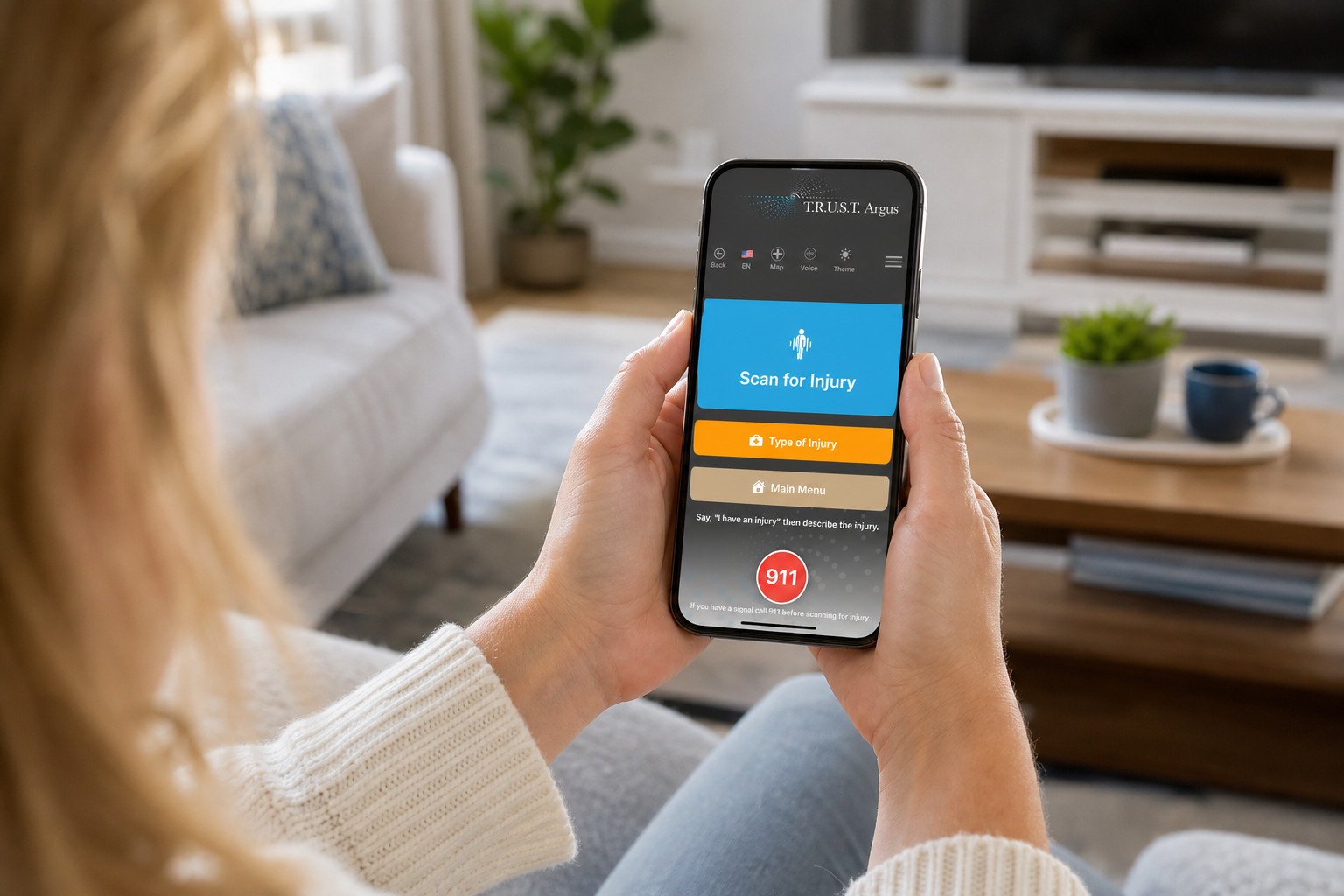
When a child, parent, or someone in your care is injured, stress can make simple decisions feel impossible. These tips mirror the calm Scan → Stabilize → Report flow T.R.U.S.T. Argus is built around — so you can act with clearer next steps while you wait for responders.
You need a steady path: stay safe, get help on the way, guide care, and capture what responders need to know.
1. Scan — understand what’s happening
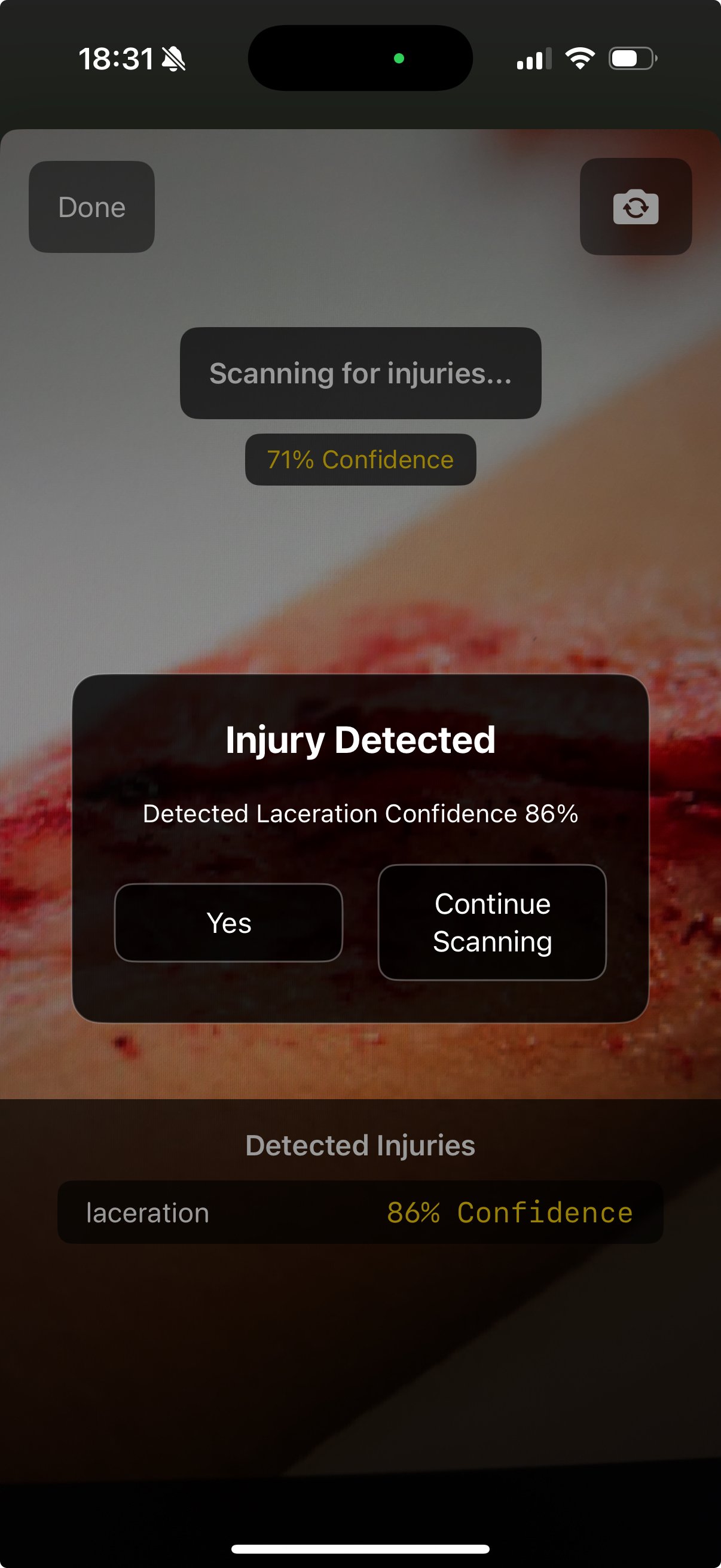
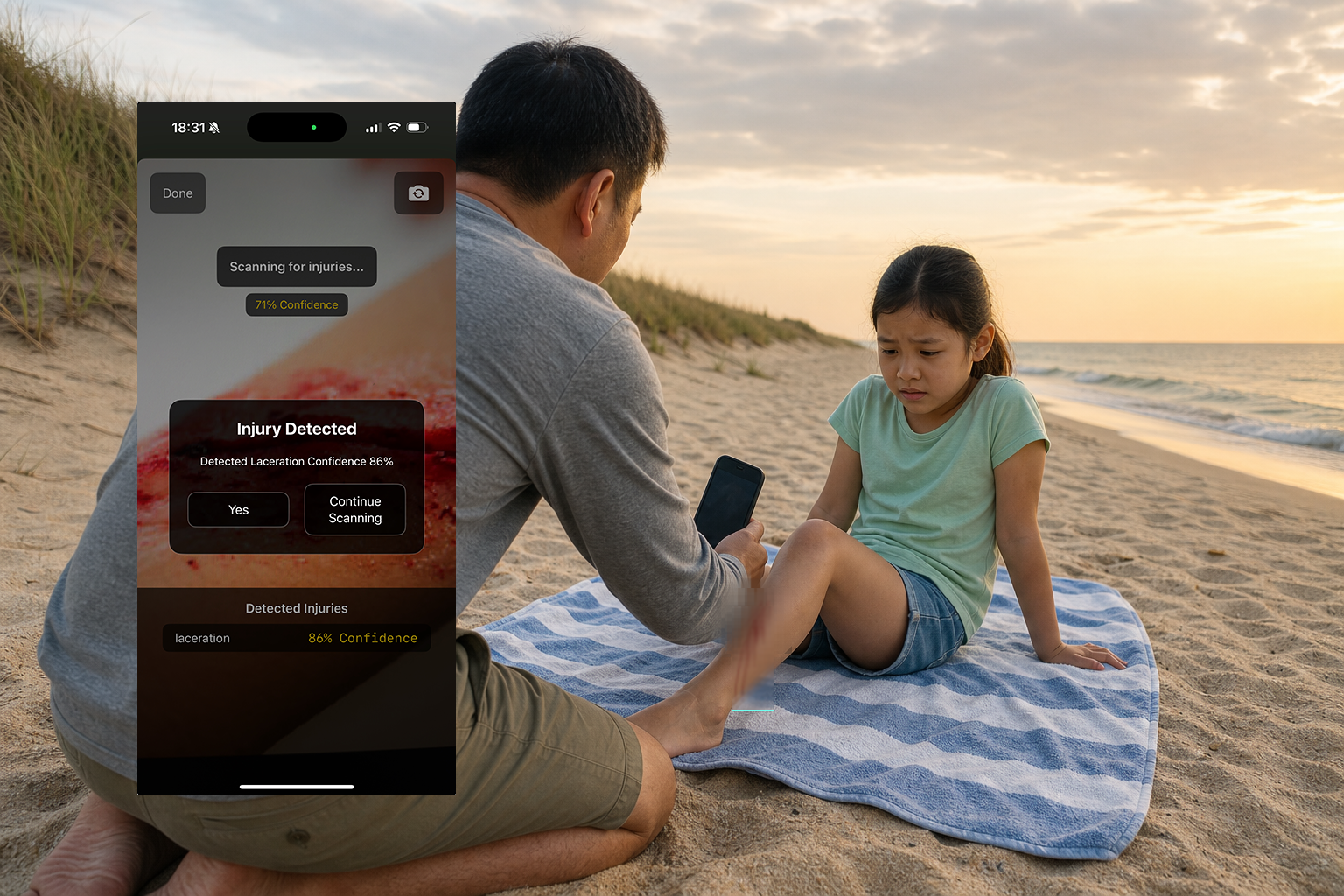
Check scene safety first. Look for bleeding, breathing trouble, burns, swelling, or inability to move. Note what you see without guessing a diagnosis. In Argus, on-device Scan Injury helps classify urgency so you know what to focus on next.
Move yourself and the injured person out of immediate danger if you can do so safely.
Look, listen, and feel for breathing; watch for heavy bleeding.
Speak calmly; tell them help is coming.
2. Stabilize — ordered first-aid steps
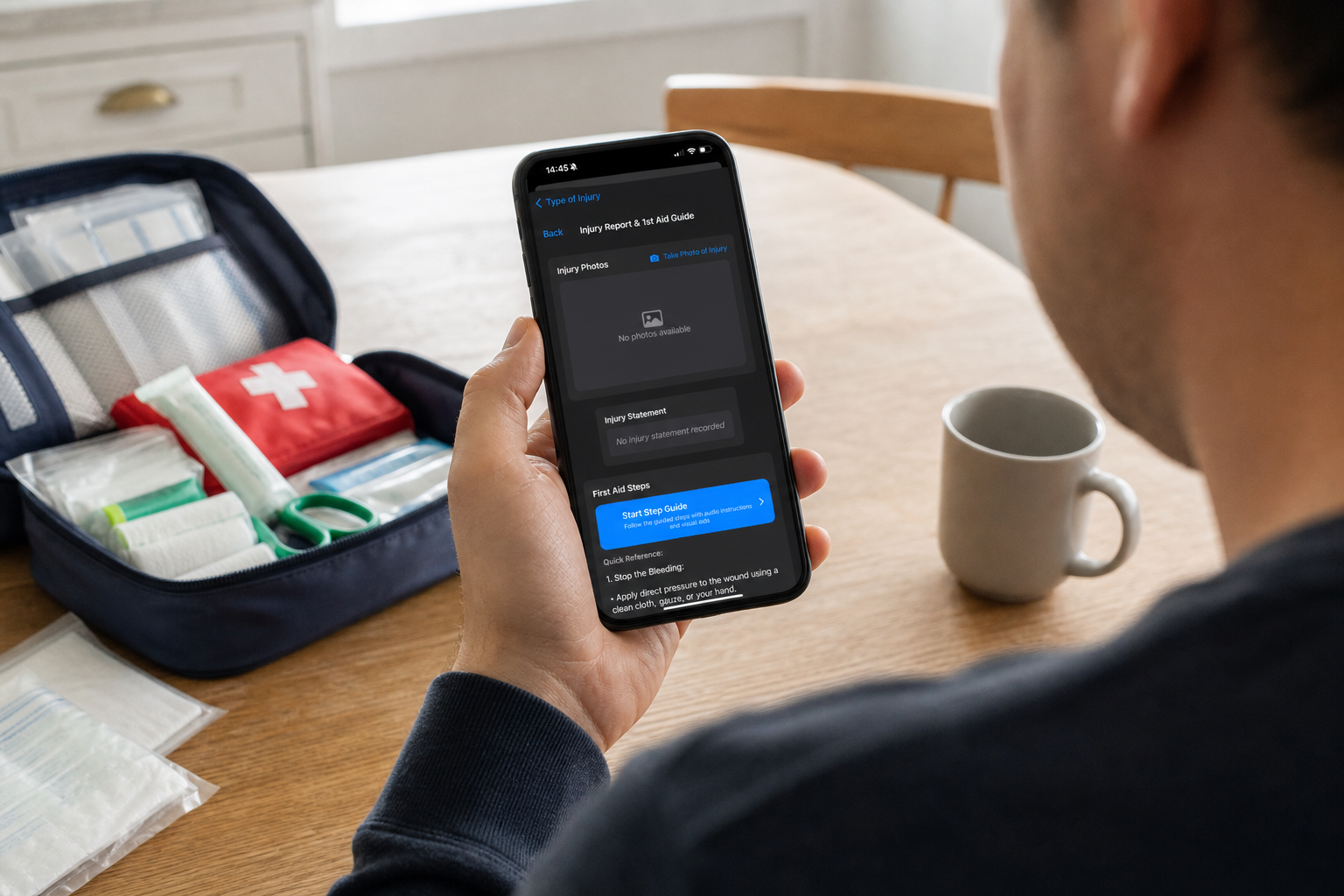
Argus walks you through matched first-aid prompts. Use these high-level steps while you wait — and follow local emergency instructions if you’re already on the phone with responders.
Bleeding: Apply firm, steady pressure with a clean cloth. Do not remove soaked cloths — add another on top.
Burns: Cool with clean running water for up to 20 minutes. Cover loosely with a clean, non-fluffy cloth. Do not apply ice, butter, or ointments.
Possible fracture: Keep the injured area still. Support above and below the injury; don’t force it straight.
Choking (conscious): Encourage coughing. If they cannot breathe, cough, or speak, give back blows / abdominal thrusts per local guidance and call emergency services immediately.
Unresponsive & breathing: Place in the recovery position and keep the airway clear while waiting for help.
3. Report — give responders a clear picture
When connected, share structured details: what happened, when, what you see, medications/allergies if known, and photos of the injury or scene when safe. Argus’s Report flow is built to organize this under stress.
Location and access notes (apartment number, gate code, landmark).
Age, known conditions, and what changed since the injury.
Steps already taken (pressure applied, cooling started, position).
For parents and caregivers, The biggest ask is this: tell me if this is urgent — and what to do right now.
When a child is hurt, the phone in your pocket has to tell you what matters first
When a child is injured, parents and caregivers usually still have 911 and a signal. The biggest ask is not another emergency-call button — it is calm, symptom-based guidance that answers two questions under stress: is this urgent, and what do I do right now?
Research, parent interviews, and reviews of child first-aid apps all point to the same gap: adult first aid does not fit kids, panic makes simple decisions feel impossible, and most apps still leave families guessing whether they should wait, call, or go.
What the evidence shows
1. They want to know when to seek help — not a diagnosis
The ASK SNIFF collaboration spent years co-developing a child-illness app with parents and clinicians. The core need, identified as far back as 2010, is accurate information on when to seek help for an acutely ill child. Parents are not asking an app to name the condition. They are asking it to reduce uncertainty: wait and watch, call the doctor, or go now.
2. Visual, traffic-light guidance beats a wall of text
The SuPa kids project (International Journal of Medical Informatics, 2024) mapped what parents of 0–5-year-olds actually want: visual information (video, traffic-light urgency), symptom-based rather than diagnostic content, and apps that are co-produced, evidence-based, and professionally endorsed. Researchers reviewed 15 UK apps. None met all of those end-user needs.
3. Winning parent apps sell calm walkthroughs they can use offline
Apps parents actually keep — British Red Cross Baby and Child First Aid (top-ranked in a 2021 JMIR quality review at 4.5/5), Owl Kids Health Guide, SOS Kids, and Kidoops — lead with offline use, short videos or single-screen visuals, and a clear “what to do next” path. Red Cross reviewers call it essential for parents with no first-aid training. Kidoops combined home-injury prevention with first aid and nearest care; parent satisfaction scored 7.42 out of 9.
Runner-up asks, behind that
Professional trust — endorsement, evidence, and co-design with parents (SuPa found trustworthiness is a deciding factor; locality-only apps often had no reviews).
What to tell the doctor or EMS — a structured picture of what happened, when, and what you already did — not a blank “describe the problem” box.
Child-specific scenarios — choking, burns, falls, fever, allergic reaction — not adult first aid with a smaller bandage.
Works when you cannot think clearly — large visuals, few taps, usable one-handed while you hold a child.
Sources
These links open the original studies, reviews, and product pages used for this article.